
Are Contract Workers and Temp Employees Covered by the Jones Act?
Key takeaways As a way to reduce costs, maritime employers increasingly use staffing agencies, contract companies, and temporary workers to crew their vessels. If you…

Key takeaways As a way to reduce costs, maritime employers increasingly use staffing agencies, contract companies, and temporary workers to crew their vessels. If you…
Key takeaways Fire, intense heat, falling debris, and toxic chemical release are not the only dangers of an offshore or refinery explosion. When an explosion…
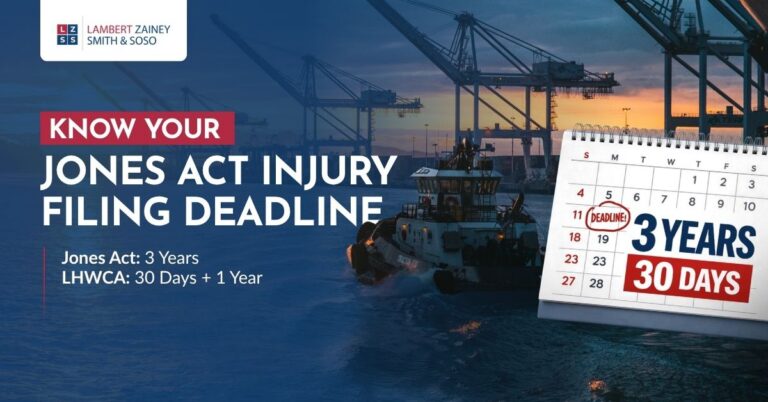
Key takeaways The Jones Act gives injured seamen the right to sue their employers for negligence — but only if they act within a strict…
Key takeaways Every hurricane season, thousands of offshore workers in the Gulf of Mexico face a question with no simple answer: when is it safe…
Key takeaways When the Trump administration announced a 60-day Jones Act waiver in March 2026, headlines focused on oil prices and energy markets. For Gulf…
Key takeaways If your employer has suddenly stopped paying your Maintenance and Cure benefits, but you believe your physical recovery is not complete, you are…

After an offshore helicopter crash, one of the first things investigators look for is whether the pilot made a mistake. “Pilot error” is one of…

Key takeaways One of the first practical questions an injured seaman asks after being hurt on the job is: “How much is my Maintenance check going…
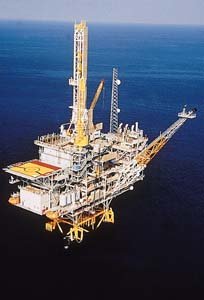
Whether a maritime worker is a member of a crew on a vessel, working on a platform or other offshore facility, or working as a longshoreman, he…
Key takeaways You were injured on the job. Under general maritime law, your employer is required to pay Maintenance and Cure—your daily living expenses and medical…
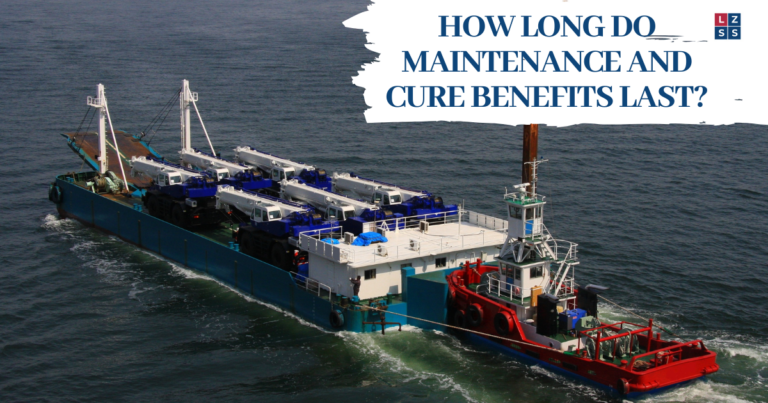
Key takeaways When you get hurt on the job at sea, one of the first things you need to know is how long your employer…

Key takeaways When a maritime worker is injured on the job, their first instinct is often shaped by years of handling everyday medical situations: They reach…
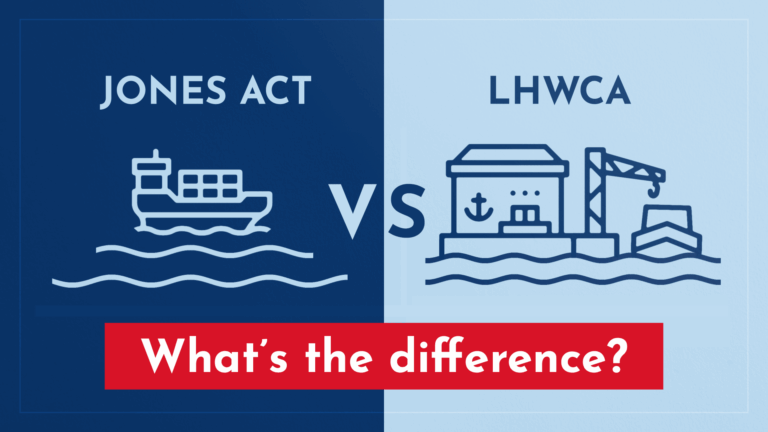
If you’re a maritime worker who has been injured on the job, one of the most confusing — and most important — questions is: which…

Many jobs within the maritime industries require workers to perform repetitive motions. With repetitive motion work comes the risk of repetitive motion-related injuries. While non-life-threatening,…

All maritime work is potentially hazardous, but some jobs are more dangerous than others. This includes maritime hot work, which can result in serious injury…

Barges are critical to the nation’s economy, transporting vital cargos between inland and sea ports. If you ask America’s barge workers, they’ll tell you that…

Maritime workers face many on-the-job hazards; one of the most dreaded and dangerous is the possibility of falling overboard. Man overboard (MOB) accidents occur more…
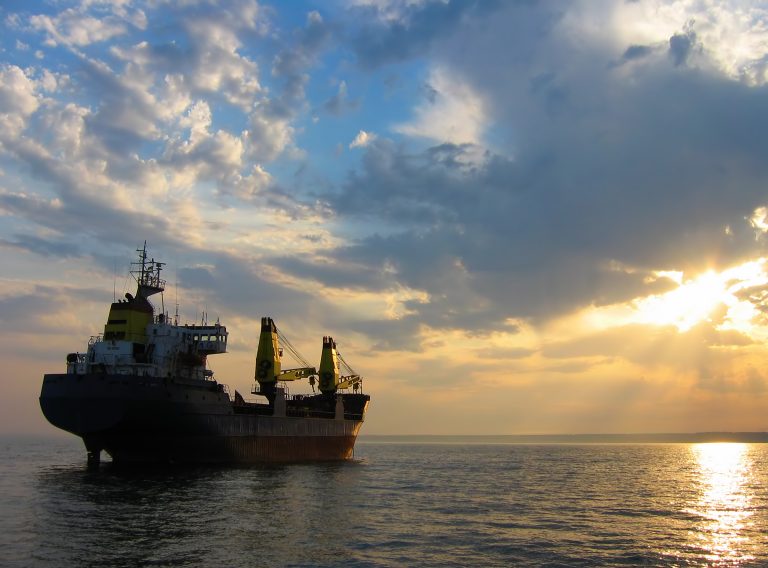
The maritime industry is slowly becoming aware of the dangers that granular cargos present to ships and crews. Granular materials like mineral sands and crushed…
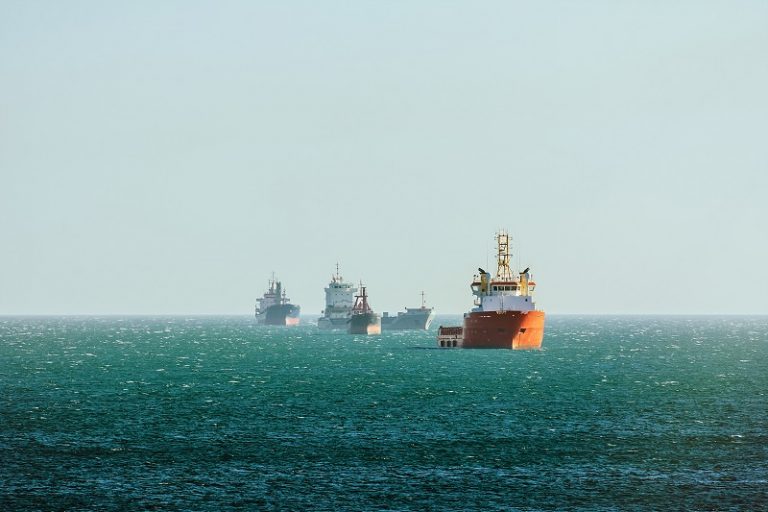
On November 8, the Royal Norwegian Navy frigate Helge Ingstad was returning from NATO exercises when it collided with the tanker Sola TS (Malta) in…
We all know that water and electricity can be a deadly combination. However, in today’s maritime industry, electricity is just as important as water to…
End of content
End of content