

The Death on the High Seas Act
Over $1 Billion Recovered for Maritime Accident Victims. We are proud to have a reputation for aggressively fighting for the rights of injured workers.
Death on the High Seas Act: Legal Rights for Families After a Fatal Maritime Accident
Losing a family member in an accident at sea is one of the most devastating things a family can experience. You are grieving, and at the same time you are being asked to make legal decisions you never expected to face. These decisions will affect your family’s financial security for years to come.
When a fatal accident happens more than three miles from shore, a federal law called the Death on the High Seas Act (DOHSA) determines your family’s legal rights. DOHSA sets strict rules about who can file a claim, what your family can recover, and how long you have to act. Lambert Zainey has helped families navigate DOHSA claims for nearly 50 years, including securing resolutions for all families affected by the Seacor Power capsizing. Here is what you need to know.
Lost a Loved One at Sea? Understand Your Rights Under DOHSA.
On This Page
Quick Facts
What is the Death on the High Seas Act (DOHSA)?
The Death on the High Seas Act (DOHSA) is a federal law passed way back in 1920. It creates a way for families to seek justice when someone dies because of a wrongful act, neglect, or default that happens on the “high seas.” It was made so there would be one main rule for deaths happening far offshore, outside of state waters.
The key thing about DOHSA is where it applies: it covers deaths caused by incidents more than 3 nautical miles away from the coast of the U.S. or its territories.
When Does DOHSA Apply? (How Far Offshore?)
DOHSA generally applies if:
Location: The wrongful act that caused the death happened beyond 3 nautical miles from the U.S. shore. (Important Note: For plane crashes over the ocean, it’s beyond 12 nautical miles).
Type of Accident: It can cover deaths from many kinds of maritime accidents out there, like:


Who Can File a DOHSA Lawsuit for the Family?
Individual family members usually don’t file the DOHSA lawsuit directly. Instead, the case must be brought by the Personal Representative of the person who passed away (this person is often named in a will or appointed by a court).
The Personal Representative files the lawsuit on behalf of the surviving family members who depended financially on the person who died. These “beneficiaries” usually include:
Any money recovered is then divided among these family members based on the financial support they lost.
What Your Family Needs to Prove
To win a DOHSA case, the Personal Representative has to prove the death was caused by someone else’s wrongful act, neglect, or default out on the high seas. Basically, you need to show that someone was careless (negligent) or that something was dangerously wrong (like an unsafe vessel condition), and that this caused the fatal accident. Examples include:
Successfully resolving DOHSA and Jones Act death claims for the Seacor Power families shows Lambert Zainey investigates deeply to find out what went wrong and prove who was responsible.
Over $1 Billion Recovered for Maritime Accident Victims
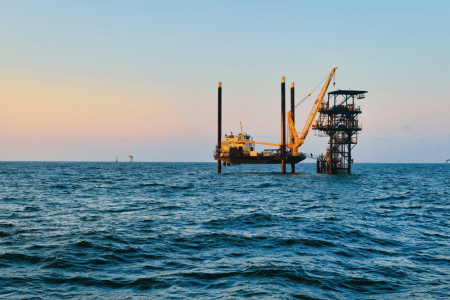
The liftboat Seacor Power capsized in the Gulf of Mexico during a storm on April 13, 2021, killing 13 of the 19 maritime workers on board. Hugh “Skip” Lambert was appointed co-lead liaison counsel and helped recover millions of dollars in damages for survivors and the families of the deceased.
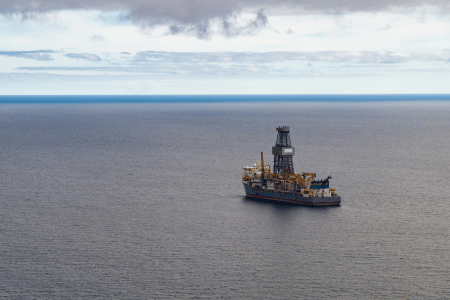
The drillship Seacrest capsized in the Gulf of Thailand during Typhoon Gay in November 1989, killing 91 of 97 crew members. Surviving families of the victims drowned in the catastrophe recovered millions of dollars in damages.
Money Recoverable Under DOHSA: Mainly Financial Losses
This is a very important and often difficult part of DOHSA. Unlike some state laws or Jones Act death claims for seamen, DOHSA usually limits the money families can recover mostly to “pecuniary losses.”
What are “Pecuniary Losses”?
These are the financial losses the family suffered because their loved one died. This can include money for:
What DOHSA Does Not Cover
DOHSA generally does not allow families to recover money for non-financial losses, such as:
Important Note for Jones Act Seamen: If the person who died was a seaman covered by the Jones Act, their family might be able to get some of these non-financial damages (like pre-death pain and suffering) through a Jones Act claim, even if the death happened far offshore. How these laws work together is complicated, and you need experienced lawyers to figure it out.
How is DOHSA Different from a Jones Act Death Claim?
Knowing the difference matters, especially if a seaman died:
|
Question |
DOHSA Claim |
Jones Act Death Claim (Seaman) |
|
Who Died? |
Anyone (passenger, worker, etc.) |
Only “Seamen” (crew members) |
|
Where? |
Beyond 3 NM offshore |
Anywhere (close to shore or far out) |
|
Why? |
Any wrongful act, neglect, default |
Employer’s Negligence |
|
What Money? |
Mostly Financial Losses Only |
Financial Losses + Maybe Emotional Losses (like pre-death pain/suffering) |
|
Who Sues? |
Personal Rep for family |
Personal Rep for family |
If a Jones Act seaman dies far offshore because their employer was careless, the family might have claims under both DOHSA and the Jones Act. Lambert Zainey knows how to handle these overlapping cases.
Is There a Deadline for DOHSA Claims? (Statute of Limitations)
Yes. Generally, a DOHSA lawsuit must be filed within three years from the date the person died. If you miss this deadline, your family will likely lose the right to file a claim forever. It’s critical to talk to a lawyer well before this time runs out.













Common Questions About DOHSA Claims
Losing a loved one at sea is heartbreaking and confusing. This section covers common questions about DOHSA to help families understand their options and take the right steps forward.
What to Do After Losing a Family Member at Sea
Step 1: Contact a maritime attorney before making any statements.
The employer, vessel owner, and their insurers begin their investigation immediately after a fatal maritime accident. Do not give statements, sign documents, or accept any initial offers before speaking with an attorney.
Step 2: Preserve all records and communications.
Gather any employment records, contracts, communications your loved one had with their employer, and any news coverage or incident reports about the accident. This evidence can be critical to establishing what happened and who is responsible.
Step 3: Understand the three-year deadline.
A DOHSA claim must be filed within three years of the date of death. Do not assume you have time to wait.
Step 4: Contact Lambert Zainey.
DOHSA cases require attorneys who understand both the legal framework and the investigation needed to prove what went wrong far offshore. Contact us for a free, confidential consultation.
Do I Have A Case? Quiz
Do you want to know if the details of your Maritime Accident HELP or HURT your case?
Take our short quiz to find out.
What Our Clients’ Say About Us
NATIONALLY RECOGNIZED ATTORNEYS






CONTACT US
Our experienced attorneys are here to guide you through every step of the process, from initial consultation to settlement or trial.
Free Case Review
Fill out the form below to contact Lambert Zainey and schedule a free, confidential consultation and discuss your case with an experienced attorney.