

Unseaworthy Claims
Over $1 Billion Recovered for Maritime Accident Victims. We are proud to have a reputation for aggressively fighting for the rights of injured workers.
Unseaworthy Vessel Injury Lawyers in Louisiana — Lambert Zainey Smith and Soso
Maritime law puts a very important, basic duty on vessel owners: they must provide a seaworthy vessel. This means the ship, all its equipment, and even the crew must be reasonably fit and safe for the job it’s supposed to do. If the owner fails in this duty, and an unsafe (unseaworthy) condition causes an injury, injured seamen have the right to get compensation through an unseaworthiness claim.
Understanding and proving that a vessel was unseaworthy is different from proving regular carelessness (negligence). It takes specific legal knowledge. At Lambert Zainey, our New Orleans maritime lawyers have handled these unseaworthiness claims for injured seamen for decades. We know how to investigate vessel problems, find proof that the seaworthiness duty was broken, and fight for the full amount of money our clients deserve.
Hurt Because Your Vessel Was Unsafe? Let Us Check Your Claim.
On This Page
Quick Facts
What Does “Unseaworthiness” Mean in Maritime Law?
The idea of “unseaworthiness” is a basic rule in maritime law made to protect seamen working on vessels. It simply means the vessel owner must make sure their vessel is reasonably fit and safe for its trip and the work it needs to do. This duty covers:
This duty is absolute (the owner has it no matter what) and non-delegable (they can’t blame someone else they hired to maintain things). If an unsafe, unseaworthy condition exists and hurts someone, the vessel owner is responsible.
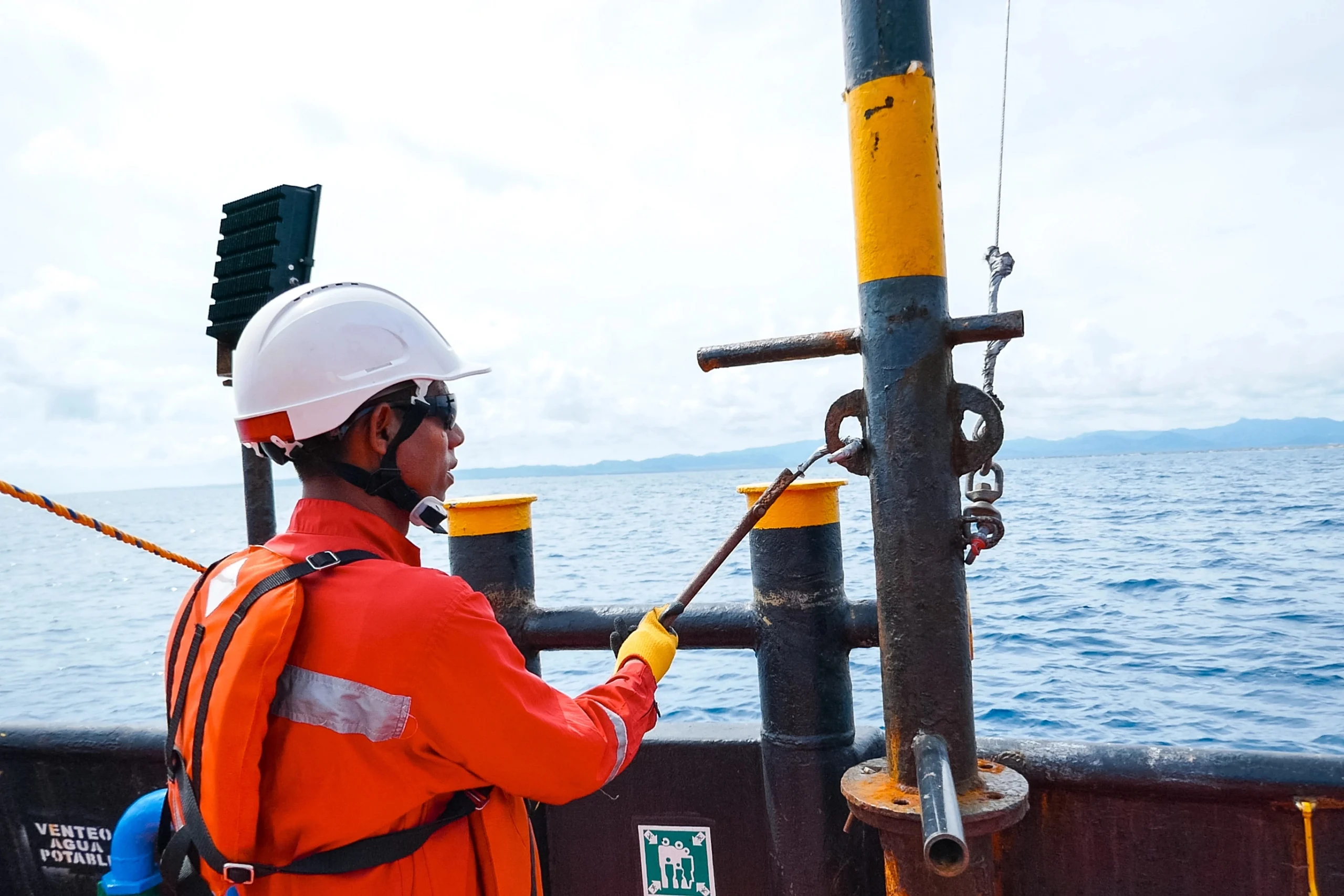
The Vessel Owner’s Absolute Duty — And Why They Cannot Escape It
What does “absolute and non-delegable” really mean?
This duty means the vessel must be reasonably safe for seamen doing their jobs. It doesn’t have to be perfectly accident-proof, but it needs the right gear, enough competent crew, and safe work methods.
Who Can Make an Unseaworthiness Claim?
The duty to provide a seaworthy vessel is mainly owed to seamen (crew members) working on the vessel. Figuring out if you count as a seaman involves a legal test based on your connection to a working vessel.
Other workers, like longshoremen hurt on a vessel because of its condition, might sometimes sue the vessel owner for negligence under a different law (LHWCA Section 905(b)). But the main unseaworthiness claim is a powerful tool specifically for seamen.
Examples of Vessel Conditions That Support an Unseaworthiness Claim
Many different problems can make a vessel unseaworthy. Here are common examples:
Defective or Inadequate Equipment
For a full explanation of how defective equipment creates maritime liability, see our post on maritime injuries caused by defective products or equipment.
Inadequate or Unqualified Crew
Unsafe Work Procedures and Practices
How Strict Liability Works in Unseaworthiness Claims
A key thing about unseaworthiness is that it uses “strict liability.” This means:
Because you don’t always have to prove the owner knew about the problem, it can sometimes be easier to win an unseaworthiness case than a pure negligence case, as long as an unsafe condition existed and caused harm.
Over $1 Billion Recovered for Maritime Accident Victims
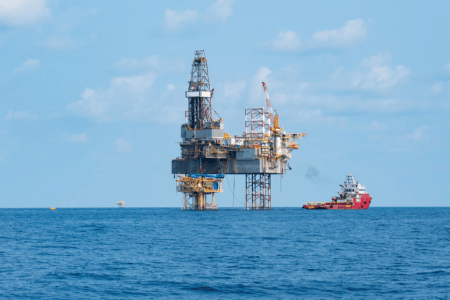
The Penrod mobile offshore drilling unit (MODU) collapsed during a violent hurricane in the Gulf of Mexico. The case turned on proving the operator’s failure to prepare the unit for the storm. Clients received millions of dollars in damages from the responsible parties.
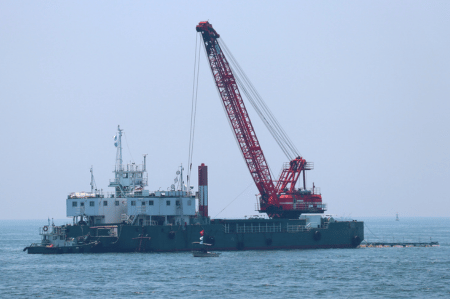
A welder assigned to a construction and salvage derrick barge was injured when an unsecured ladder collapsed underneath him. Lambert Zainey successfully argued that a co-worker’s failure to secure the ladder created a transitory unseaworthy condition for which the vessel owner was liable.
Unseaworthiness vs. Jones Act Negligence: What’s the Difference?
Injured seamen often file claims under both the Jones Act and Unseaworthiness because they cover different things:
|
Question |
Unseaworthiness Claim |
Jones Act Claim |
|
What’s Wrong? |
Unsafe Condition (Boat, Gear, Crew) |
Careless Action (By Boss or Coworker) |
|
Who Owes Duty? |
Vessel Owner |
Employer (Often same as owner, but not always) |
|
Is Fault Needed? |
No (Strict Liability for unsafe condition) |
Yes (Need to show carelessness/negligence) |
|
Who Can Be Sued? |
Vessel Owner |
Employer |
|
What’s Required? |
Vessel must be “reasonably fit/safe” |
Employer must be “reasonably careful” |
Even if you can’t prove your employer was negligent for a Jones Act claim, you might still win money if an unsafe, unseaworthy condition caused your injury. Our lawyers look at both possibilities.
What Compensation Can You Recover?
If you win an unseaworthiness claim, the money you can get (“damages”) is usually the same as under the Jones Act. The goal is to cover all your losses:
Note: Unseaworthiness claims are separate from Maintenance and Cure













What to Do If You Were Injured on an Unsafe Vessel
Step 1: Document the unsafe condition immediately.
If it is safe to do so, photograph the defective equipment, slippery surface, broken ladder, or other unsafe condition before it is repaired or cleaned up. Vessel owners and their insurers move quickly to correct conditions after an accident — and once the condition is fixed, proving it existed becomes significantly harder.
Step 2: Report the injury in writing.
Report the incident to the vessel’s captain or your employer as soon as possible. Keep a copy of any written incident report.
Step 3: Seek medical treatment and document your injuries.
Get medical care immediately and ensure every treating physician documents how the injury occurred and what unsafe condition caused it.
Step 4: Do not give statements to the vessel owner’s representatives.
Do not speak with the vessel owner’s insurance adjusters or legal representatives before consulting a maritime attorney.
Step 5: Contact Lambert Zainey.
Unseaworthiness cases require immediate investigation before vessel conditions are repaired and records are altered. Contact us for a free, confidential consultation.
Common Questions About Unseaworthiness
Working on an unsafe vessel can lead to serious injuries. This section answers important questions to help you understand unseaworthiness and what you can do to protect your claim.
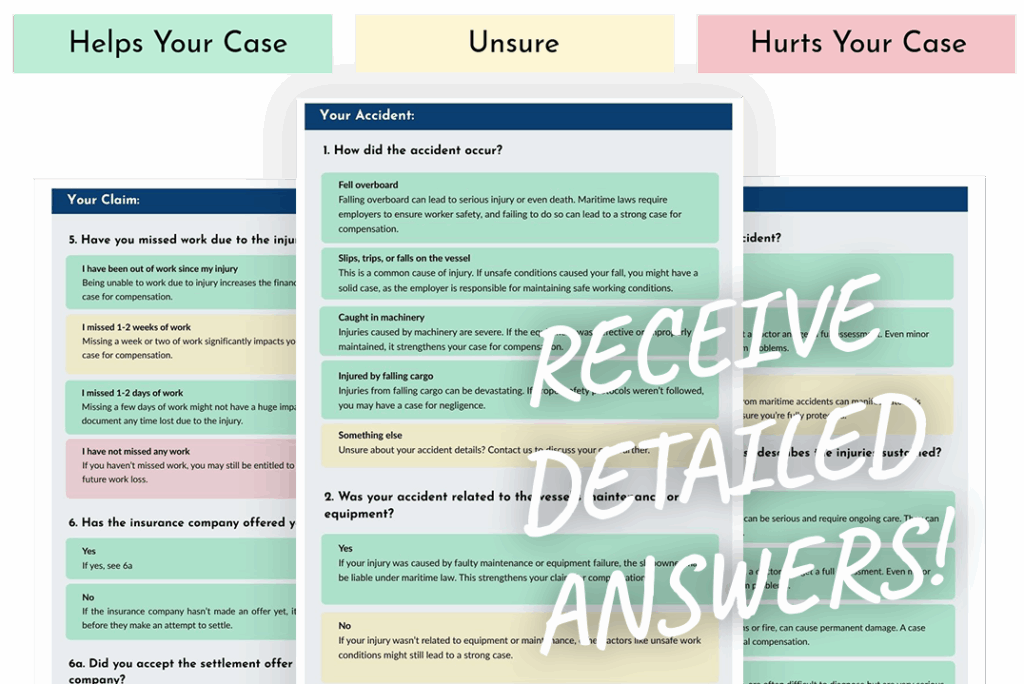
Do I Have A Case? Quiz
Do you want to know if the details of your Maritime Accident HELP or HURT your case?
Take our short quiz to find out.
What Our Clients’ Say About Us
NATIONALLY RECOGNIZED ATTORNEYS






CONTACT US
Our experienced attorneys are here to guide you through every step of the process, from initial consultation to settlement or trial.
Free Case Review
Fill out the form below to contact Lambert Zainey and schedule a free, confidential consultation and discuss your case with an experienced attorney.