
Common Maritime Worker Injuries — What You Suffered and What You Can Recover

Over $1 Billion Recovered for Maritime Accident Victims. We are proud to have a reputation for aggressively fighting for the rights of injured workers.

Information For Injured Maritime Workers

Maritime workers suffer some of the most serious workplace injuries in any industry. The physical demands of working on vessels and offshore platforms, combined with heavy equipment, hazardous materials, and the ever-present risk of falls and explosions, create injury scenarios that frequently result in permanent disability.

This page covers the most common maritime worker injuries and what the law allows you to recover for each one. If you were injured in a maritime accident, your legal rights depend on where you work, what happened, and which law applies to your situation. Lambert Zainey has helped maritime workers with every type of injury listed here for nearly 50 years.

Types Of Injuries Offshore & Maritime Workers Suffer

Back Injuries

While not always catastrophic, back injuries can severely impact a maritime worker’s ability to perform their job and permanently affect their future earning potential. Herniated discs, spinal fractures, and chronic pain conditions from maritime back injuries are compensable under the Jones Act, including future medical costs and lost earning capacity if the injury prevents return to maritime work.

Burns

Burn injuries can be among the most severe, with long-term physical and emotional consequences including permanent scarring, nerve damage, and the need for repeated surgical procedures including skin grafts. Employers who fail to maintain fire suppression systems, properly store flammable materials, or provide adequate protective gear bear direct Jones Act and unseaworthiness liability for burn injuries.

Brain Injuries (TBI)

Workers who suffer traumatic brain injuries can have permanent problems with cognitive function, memory, personality, and neurological control. TBI damages in a Jones Act claim include all current and future medical treatment, lost earning capacity, and pain and suffering, including the non-economic impact of cognitive decline and personality change.

Amputations

The loss of limbs or digits may occur during a maritime accident, or be necessary as a result of injuries sustained in an accident. Amputation claims must account for the full lifetime cost of prosthetics — modern devices cost $20,000 to $100,000 and require replacement every three to five years. See our full post on maritime workers and amputation injuries.

Crush Injuries

Workers trapped between or under heavy objects can suffer crush injuries to the whole body or to specific limbs. Crush injuries frequently cause compartment syndrome, nerve damage, and permanent loss of function. When inadequate safety protocols or defective equipment caused the entrapment, the employer’s Jones Act liability is direct.

Orthopedic Injuries

When bones, tissue, or joints are injured in a maritime accident, the short and long-term effects can range from minor to severe. Torn rotator cuffs, knee injuries, and fractures that result from falls on wet decks, snap-back lines, or equipment failures are compensable under the Jones Act, including surgery, physical therapy, and long-term care if the injury results in chronic impairment.

Eye Injuries

Injuries that affect the eyes can lead to vision loss or permanent impairment, rendering a maritime worker unable to return to their job. Eye injuries from chemical exposure, equipment failure, or flying debris are compensable under the Jones Act, with damages including permanent disability and lost earning capacity.

Acoustic Trauma

Hearing damage from prolonged exposure to engine noise, drilling equipment, or explosive events can have permanent effects on a maritime worker’s ability to work and function in daily life. Acoustic trauma claims require audiological documentation connecting the hearing loss to workplace noise exposure.

Emotional Distress

PTSD and other emotional trauma can be just as serious as physical injuries. Even in the case of a near-miss accident where a maritime worker genuinely feared for their life, severe emotional distress is compensable under the zone of danger doctrine. Employers are also required to cover psychological treatment under maintenance and cure. See our post on emotional distress and the zone of danger.

Hypothermia

Maritime workers who are exposed to cold weather or immersion in cold water face serious risk of hypothermia — and employers who fail to provide adequate cold weather gear, functioning man-overboard equipment, or proper training are legally liable under the Jones Act when hypothermia results.

Chemical Exposure

Chemical exposure can result in serious long-term health problems including cancer, mesothelioma, and chronic lung disease. Maritime workers are frequently exposed to harmful chemicals through inhalation or direct contact. The discovery rule may allow the three-year limitations period to begin from when you were diagnosed, not from the original exposure date.

Spinal Cord Injuries (SCI)

Injuries to the spine can lead to paralysis and permanent loss of limb function. Spinal cord injury damages in a Jones Act claim must account for lifetime care costs, which for a complete SCI can reach several million dollars. Expert medical and vocational testimony is required to establish the full extent of these claims.

Which Law Covers Your Injury

The law that governs your maritime injury claim depends on where you work, not on the type of injury you suffered. Every injury type on this page is potentially compensable under one or more of the following:

  • Jones Act seamen — workers who spend at least 30% of their time aboard a vessel in navigation can sue their employer directly for negligence, pursue unseaworthiness claims against the vessel owner, and receive maintenance and cure benefits regardless of fault. Learn more about Jones Act claims.
  • LHWCA dockworkers and shipyard workers — longshoremen, dockworkers, and harbor construction workers receive no-fault federal workers’ compensation benefits under the LHWCA, plus the right to pursue third-party negligence claims against vessel owners and equipment manufacturers.
  • OCSLA fixed offshore platform workers — workers on fixed platforms in the Outer Continental Shelf are covered under OCSLA, which provides LHWCA benefits and allows third-party negligence claims.

If you are not sure which law applies to your situation, Lambert Zainey will evaluate your claim at no charge. Contact us for a free, confidential consultation.


Companies We’ve Fought Against

Maritime Injury Attorneys – Lambert Zainey – have obtained recoveries from a long list of maritime companies, including some of the biggest names in the industry.


How Maritime Injuries Occur

Maritime activities are an essential part of global commerce, transportation, and leisure. However, these activities also come with inherent risks that can lead to various types of maritime injuries. Understanding the potential causes and circumstances surrounding these injuries is crucial for both maritime workers and their employers.

Some of the most common reasons why maritime injuries occur are:

  • Mechanical Failures
  • Human Error
  • Inadequate Safety Measures
  • Hazardous materials
  • Weather and Environmental Factors
Common Maritime Injuries

Compensation For Maritime Worker Injuries

Many of these injuries can be classified as catastrophic. That means they have the potential to be life-altering in nature. Depending on the severity of your injuries and the circumstances that contributed to them, you may be entitled to compensation for:

  • Medical bills
  • Future medical bills
  • Rehabilitation expenses
  • Lost wages
  • Future wages
  • Pain and suffering

In the most severe cases, these injuries can lead to death. Workers’ families may be entitled to compensation through a wrongful death claim against the responsible party.

case results

Over $1 Billion Recovered for Maritime Accident Victims
barge accident case result
RESOLVED BY ESTABLISHING SEAMAN STATUS

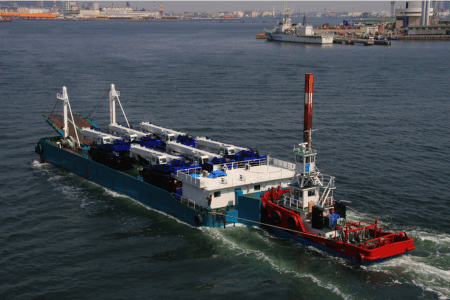
A coverstacker’s hand was crushed by a barge cover while he was working on the river. Lambert Zainey resolved the case favorably by establishing that he qualified as a Jones Act seaman rather than a Longshoreman.
roughneck injury case result
WON ON INSUFFICIENT CREW STAFFING

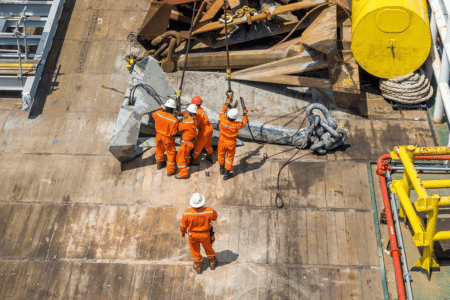
A roughneck injured his back when he was required to pull slips by himself, with no assistance from other floorhands available to help. The case was resolved by arguing that the drilling barge was unseaworthy due to an insufficient crew to safely trip pipe.

Injured in a Maritime Accident? Here Is What to Do Next.

Every injury type on this page carries legal rights that most maritime workers never fully exercise. Lambert Zainey has spent nearly 50 years making sure injured workers know what they are owed and have the legal team to get it.

  • Nearly 50 years handling maritime injury claims across the Gulf Coast — including every injury type listed on this page
  • Over $1 billion recovered for injured maritime workers and their families
  • No fees unless we recover for you

Contact Lambert Zainey today for a free, confidential consultation — no fees unless we recover for you. Call us at 800-521-1750.

What Our Clients’ Say About Us

NATIONALLY RECOGNIZED ATTORNEYS

CONTACT US

Our experienced attorneys are here to guide you through every step of the process, from initial consultation to settlement or trial.

Free Case Review

Fill out the form below to contact Lambert Zainey and schedule a free, confidential consultation and discuss your case with an experienced attorney.
Loading secure form…