OSHA’s Oil and Gas Extraction Safety Standards
If you’re working for oil and gas companies, it’s important to understand your rights and the responsibilities of your employer to keep you safe. The…
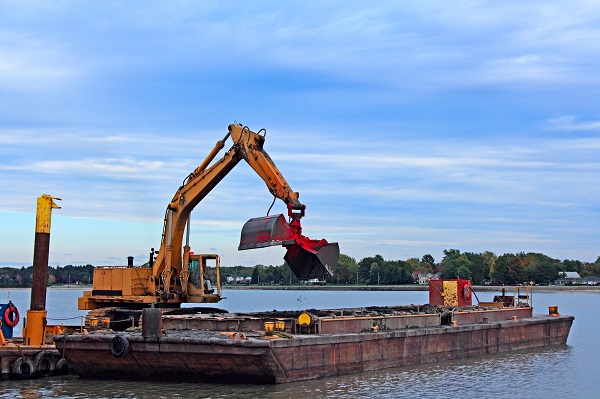
Crane accidents are common in the maritime, industrial and commercial fields. Cranes are necessary and useful equipment but can be dangerous if operated negligently. OSHA…
If you’re a maritime worker who was injured in an on-the-job injury that resulted from the careless actions of a co-worker or employer, the Jones…
America’s maritime industry provides steady, well-paying employment to thousands of people, but the work is not without risks. It doesn’t matter if they work in…
Welding fumes are a danger to any welder, especially when working in confined spaces that are often found on ships and offshore rigs. Confined spaces…
Head injuries are common in the maritime industry due to the nature of the work. When working on a vessel, on a dry dock or…
Maritime workers must often work in hot and humid conditions, putting them at risk for heat exhaustion, heat stroke and other heat-related illnesses. As summer…
Maritime work has always been risky. Bodily injuries, hypothermia and drowning are just a few of the dangers maritime workers must deal with. However, physical…
Marine, industrial and commercial workers are mostly familiar with the practice of sandblasting and sandblasting injuries. Abrasive blasting is still commonly referred to as sandblasting…
With springtime comes an array of wet weather conditions for maritime workers. Along the Gulf Coast, heavy rains and choppy waters are a common occurrence….
On Monday, the United States Supreme Court declined BP’s request to suspend claim payments during BP’s Supreme Court appeal regarding the current settlement. For now,…
When a dock worker in a land-based industry becomes injured due to an on-the-job accident, they can seek state workers compensation benefits to provide them…
The Jones Act, Longshore and Harbor Workers’ Compensation Act (LHWCA), and other maritime laws provide disability benefits to maritime workers who have been injured on…

A decision earlier this year by the Ninth Circuit Court of Appeals in California will allow an injured seamen to proceed with a lawsuit to…
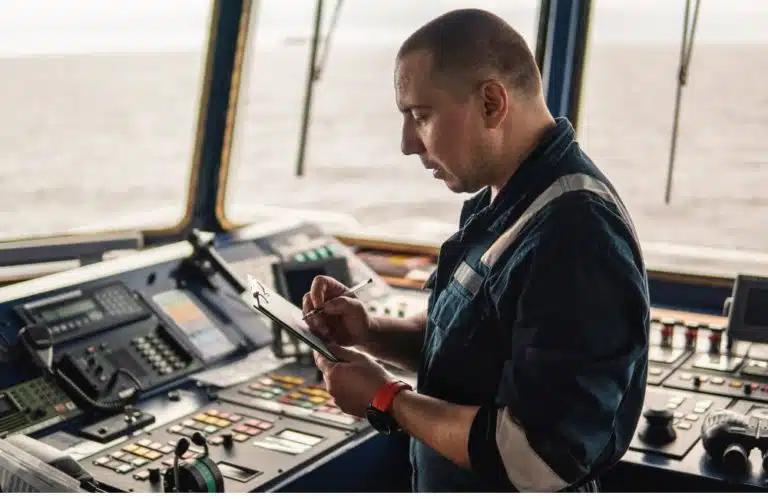
Carbon monoxide poisoning is a real danger for many maritime workers. It’s a silent, invisible menace that can injure or kill a maritime worker with…

Back injuries are one of the most common on-the-job injuries in any occupation, and the maritime industry is no different. Maritime work tends to be…
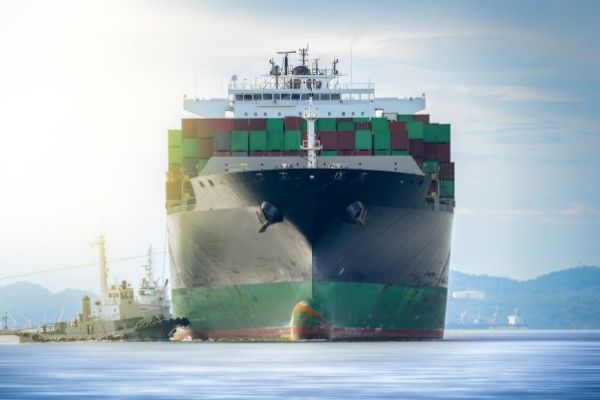
Key takeaways Fires, explosions, chemical spills, and electrical failures happen on vessels and offshore platforms across the Gulf Coast every year. The U.S. Bureau of…
PTSD is a mental health problem that some people develop after experiencing or witnessing a life-threatening event, like combat, a natural disaster, a car accident,…
A fire aboard a vessel, whether at sea or in port, can be disastrous, severely damaging the ship and putting members of the crew at…
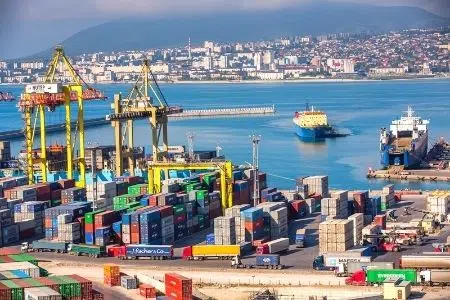
Crane accidents are unfortunately all too common in the maritime industry. Cranes are large and heavy machines, and they are often used to move heavy…

End of content
End of content