
Due to a string of recent helicopter accidents traveling to or near offshore oil rigs, the National Transportation Safety Board is taking action. They are making recommendations to offshore helicopter operators to promote safety and prevent injuries. Many of these recent helicopter accidents are a result of turbine engine failures due to gas exhausts from offshore oil rigs.
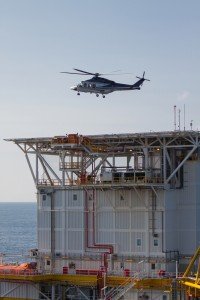
Several government agencies have teamed with a helicopter operator who experienced an accident in 2011 to promote awareness of flying dangers near oil rigs. They have issued safety warnings and alerts to try and reduce the number of offshore accidents. The primary warning calls for helicopter operators to be aware of methane gas emissions from oil rigs that pose a danger to operators. However, the National Transportation Safety Board has found these warnings inadequate to prevent offshore helicopter accidents.
There is currently no agency to regulate helicopter safety flying to and from offshore oil rigs. This is surprising considering the numerous agencies assigned to regulate offshore oil drilling and the threat of injury that helicopter accidents can pose. The National Transportation Safety Board has recommended that the Bureau of Safety and Environmental Enforcement take on this responsibility. They have recommended that the Bureau of Safety and Environmental Enforcement, Coast Guard and the Department of the Interior to work together on a plan to prevent offshore accidents. The plan would include a way to reduce the risk of helicopters coming into contact with methane gas exhaust from the oil rig. The plan would also include systems and procedures for oil rig operators designed to mitigate the ingestion of methane gas by the helicopter operators.
Primarily, the National Transportation Safety Board is requesting the American Petroleum Institute’s plan to regulating venting of gases during helicopter operations.
Get Our FREE Guide to Protect Your Claim
What you do after an accident is critical. Insurance companies will try to get you to make mistakes that can hurt your claim. Our free guide can help you avoid these traps.
Download our complimentary guide: “5 Costly Mistakes to Avoid After Any Maritime Accident” to arm yourself with the knowledge you need to protect your rights.
Lambert Zainey represents victims of helicopter accidents. If you or a loved one has been involved in an offshore helicopter accident, call the Lambert Firm today and we will handle your case and do our best to earn you the compensation you deserve.
Due to a string of recent helicopter accidents traveling to or near offshore oil rigs, the National Transportation Safety Board is taking action. They are making recommendations to offshore helicopter operators to promote safety and prevent injuries. Many of these recent helicopter accidents are a result of turbine engine failures due to gas exhausts from offshore oil rigs.
Several government agencies have teamed with a helicopter operator who experienced an accident in 2011 to promote awareness of flying dangers near oil rigs. They have issued safety warnings and alerts to try and reduce the number of offshore accidents. The primary warning calls for helicopter operators to be aware of methane gas emissions from oil rigs that pose a danger to operators. However, the National Transportation Safety Board has found these warnings inadequate to prevent offshore helicopter accidents.
There is currently no agency to regulate helicopter safety flying to and from offshore oil rigs. This is surprising considering the numerous agencies assigned to regulate offshore oil drilling and the threat of injury that helicopter accidents can pose. The National Transportation Safety Board has recommended that the Bureau of Safety and Environmental Enforcement take on this responsibility. They have recommended that the Bureau of Safety and Environmental Enforcement, Coast Guard and the Department of the Interior to work together on a plan to prevent offshore accidents. The plan would include a way to reduce the risk of helicopters coming into contact with methane gas exhaust from the oil rig. The plan would also include systems and procedures for oil rig operators designed to mitigate the ingestion of methane gas by the helicopter operators.
Primarily, the National Transportation Safety Board is requesting the American Petroleum Institute’s plan to regulating venting of gases during helicopter operations.
Get Our FREE Guide to Protect Your Claim
What you do after an accident is critical. Insurance companies will try to get you to make mistakes that can hurt your claim. Our free guide can help you avoid these traps.
Download our complimentary guide: “5 Costly Mistakes to Avoid After Any Maritime Accident” to arm yourself with the knowledge you need to protect your rights.
Lambert Zainey represents victims of helicopter accidents. If you or a loved one has been involved in an offshore helicopter accident, call the Lambert Firm today and we will handle your case and do our best to earn you the compensation you deserve.