
Common Medical Tests for Maritime Injuries: Proving the True Extent of Your Harm
When the Company Doctor Says You’re “Fine” But You’re Not You know something is seriously wrong. Your back still sends shooting pain down your leg….


When the Company Doctor Says You’re “Fine” But You’re Not You know something is seriously wrong. Your back still sends shooting pain down your leg….
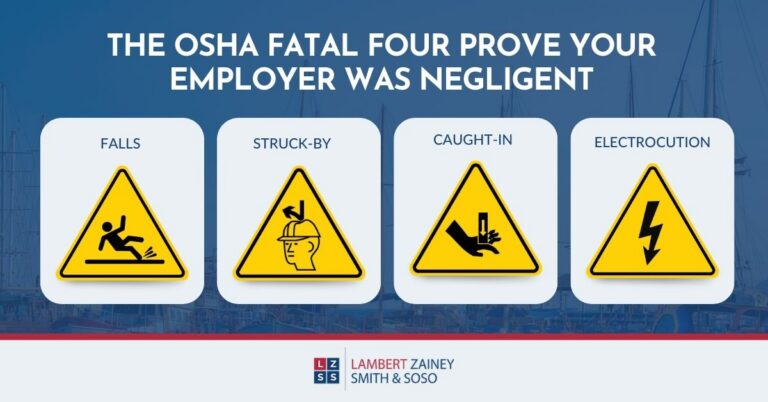
If You’ve Been Hurt, This Is Why — And It Wasn’t Your Fault If you’ve been seriously injured in a fall from a scaffold, crushed…

The Most Common Maritime Injury A slip, trip or fall is one of the most common types of accidents on a vessel, oil rig or…

The State vs. Federal Confusion Since this article was first published in 2018, the landscape for marijuana has changed dramatically. Recreational and medical marijuana use…
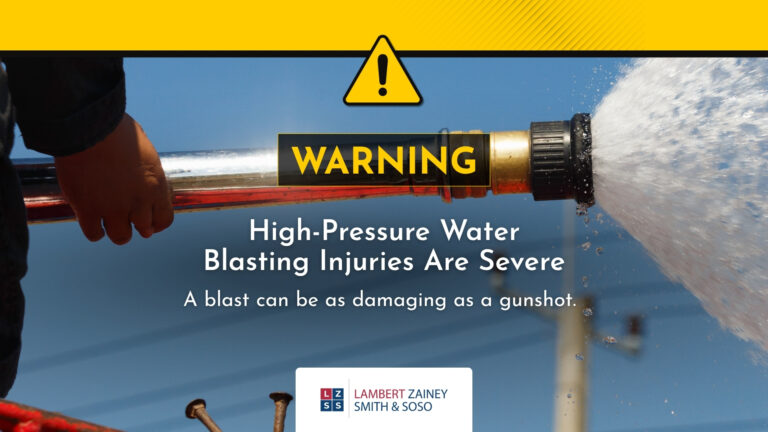
In shipyards, on offshore platforms, and at industrial sites, high-pressure water blasting (or “hydroblasting”) is a common and effective way to strip paint, rust, and…

Many jobs within the maritime industries require workers to perform repetitive motions. With repetitive motion work comes the risk of repetitive motion-related injuries. While non-life-threatening,…

Longshoremen, stevedores and other dockworkers load and unload the cargo transported by vessels. This work involves operating a number of heavy equipment, including cranes and…

If you’re a maritime worker who was injured in an on-the-job injury that resulted from the careless actions of a co-worker or employer, the Jones…

The Jones Act, Longshore and Harbor Workers’ Compensation Act (LHWCA), and other maritime laws provide disability benefits to maritime workers who have been injured on…
End of content
End of content