

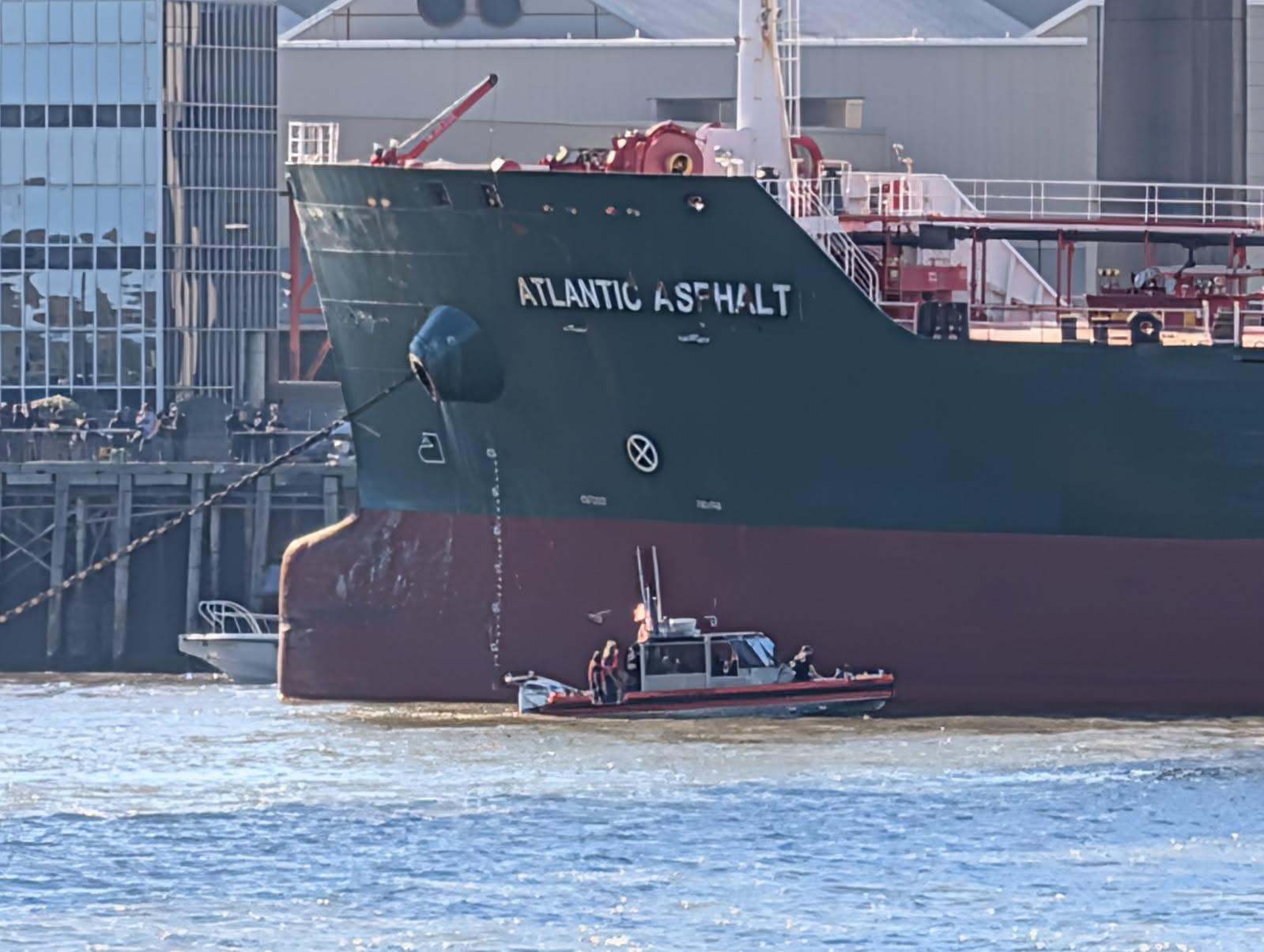
- A cargo tanker struck a docked passenger riverboat on the Mississippi River in New Orleans just after 12:30 p.m. on Friday, November 13, 2026.
- Around 129 people, including crew, were aboard the riverboat, which was unloading passengers near the Port of New Orleans administration building.
- The riverboat listed heavily and took on water, and some passengers went into the river.
- The Coast Guard closed the river between mile markers 93 and 96 while crews worked.
- The number of injuries and the cause of the collision have not been released.
- A federal judge ordered the U.S. Marshal to arrest the Atlantic Asphalt on November 14, placing the vessel in the court’s custody while claims against it proceed.
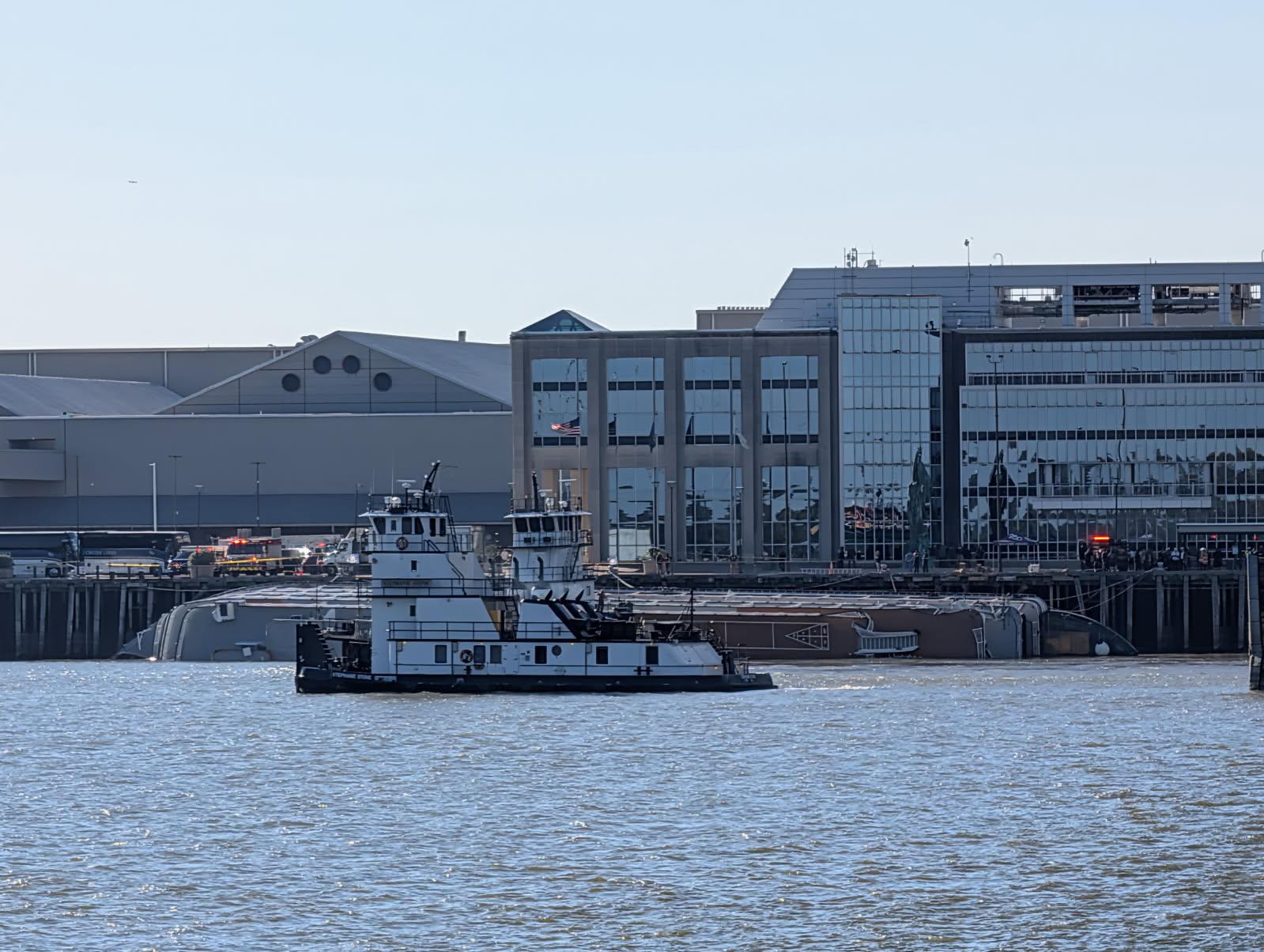
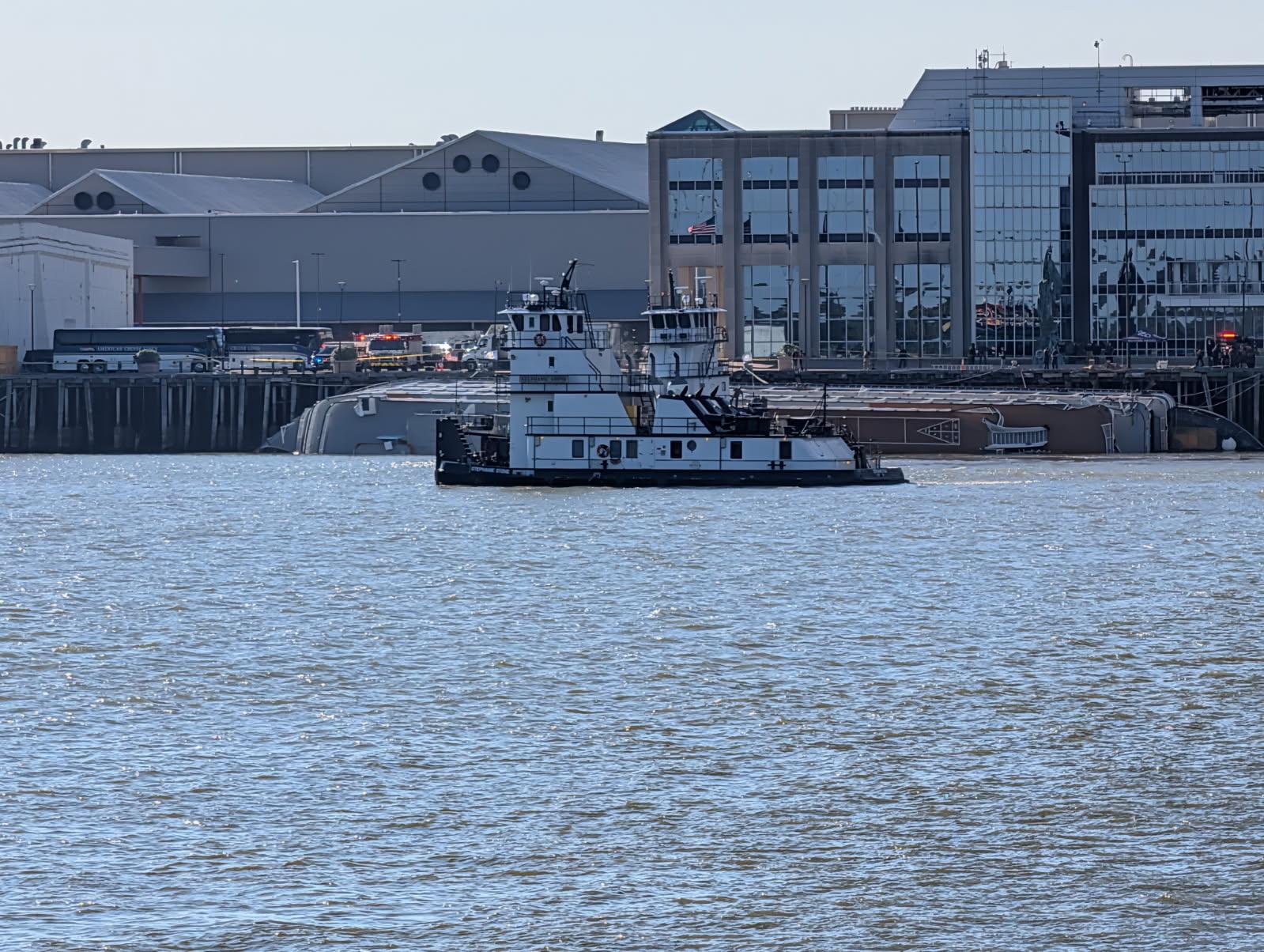
On Friday afternoon, November 13, 2026, a cargo tanker struck a passenger riverboat on the Mississippi River in New Orleans, just after 12:30 p.m. The riverboat was docked near the Port of New Orleans administration building, close to the Crescent City Connection, actively unloading passengers at the moment of impact. Around 129 people, including crew, were aboard.
The Emergency Response
The impact caused the riverboat to list heavily and take on water, sending some passengers into the river. A multi-agency response followed, with Port NOLA Harbor Police, the New Orleans Fire Department, the New Orleans Police Department, the U.S. Coast Guard, and New Orleans EMS all on scene. Survivors brought ashore were triaged at the Port’s administration building, and the Coast Guard closed a stretch of the river between mile markers 93 and 96 while crews worked.
The Vessels Involved
What We Still Don’t Know
The exact number of injuries and the cause of the collision have not been made public. This page will be updated as the Port and Coast Guard release additional information. Everyone aboard, and their families, remain in our thoughts.
Update: Vessel Ordered Under Arrest — November 14, 2026
What happened: The Board of Commissioners of the Port of New Orleans filed suit directly against the Atlantic Asphalt, along with its owner and manager. On Friday night, the court found exigent circumstances and ordered the Clerk to issue a warrant. The U.S. Marshal was directed to take the vessel into custody and hold it pending further order of the court.
What a vessel arrest means: Under admiralty law, an arrest is a civil proceeding against the ship itself, not a criminal matter. It lets a claimant secure the vessel while the underlying claims, including those of the injured crew, are worked out.
Why it’s done: A vessel can be back in international waters within days. An arrest keeps it inside the court’s reach so it can’t simply leave before claims are filed.
How it happens: The Marshal boards and takes physical control of the vessel, or posts notice when taking actual possession isn’t practical, and holds it under the court’s authority.
How long it lasts: Until the owner posts a bond or other security equal to the vessel’s value, or the court orders otherwise. A bond releases the ship, not the claims against it — those continue through the court exactly as before.
What might happen next: Owners facing claims like these will often file for limitation of liability, seeking to cap their exposure at the vessel’s value. When that happens with multiple injured parties involved, courts often appoint lead counsel to coordinate the litigation.
“When a vessel like this gets arrested, it’s often the moment that tells an injured crew member the law is working to hold someone accountable. Seamen have protections under the Jones Act that passengers don’t — those rights don’t disappear just because a case gets complicated.”
— Hugh P. “Skip” Lambert, Lambert Zainey
Case No. 26-2611, E.D. La.
We’ll keep this page current as the case develops. Questions? Call (504) 581-1750.